INTERIOR REPAIRS ARE CLASSIFIED ACCORDING TO TECHNICAL SCOPE, COMPLEXITY AND PURPOSE.
For a successful result, it is important to add the correct sequence: Design and budget: Preparation of an interior design and determination of a budget framework. Demolition and dismantling: Removal of old flooring, doors and unnecessary partitions. Electrical and plumbing installations: Replacement or upgrade of cable and pipe networks. Rough construction: Laying screeds, plasters and working with drywall. Finishing works: Puttying, painting and laying flooring
Cosmetic repair (Current)
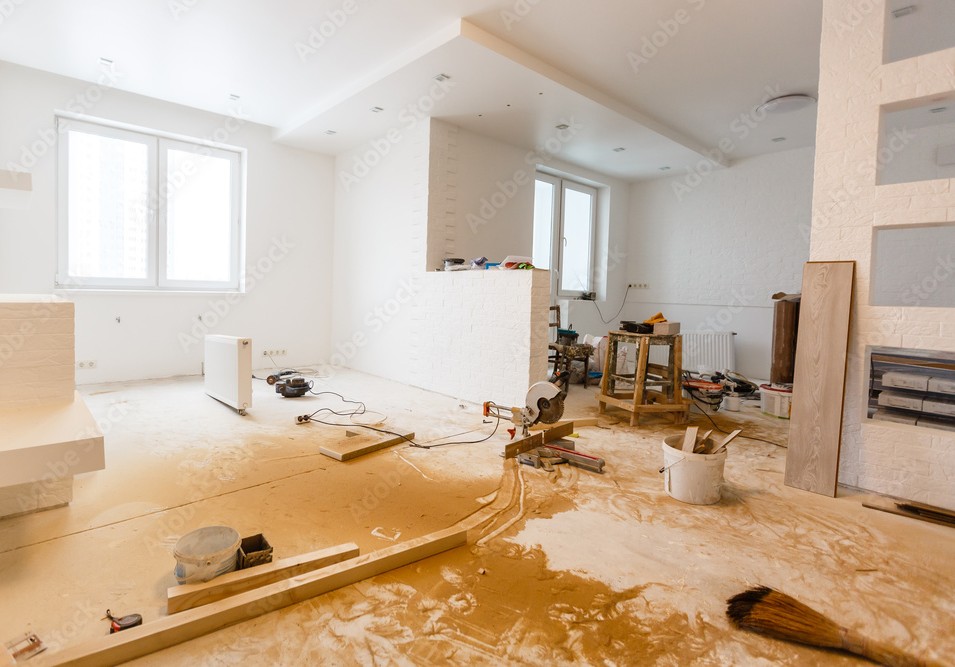
This is the fastest and most economical way to refresh your home without changing the installations. Activities: Painting, changing wallpaper, replacing flooring (laminate), refreshing joints and replacing switches/sockets. Purpose: Aesthetic renovation and hygiene.
Major repairs
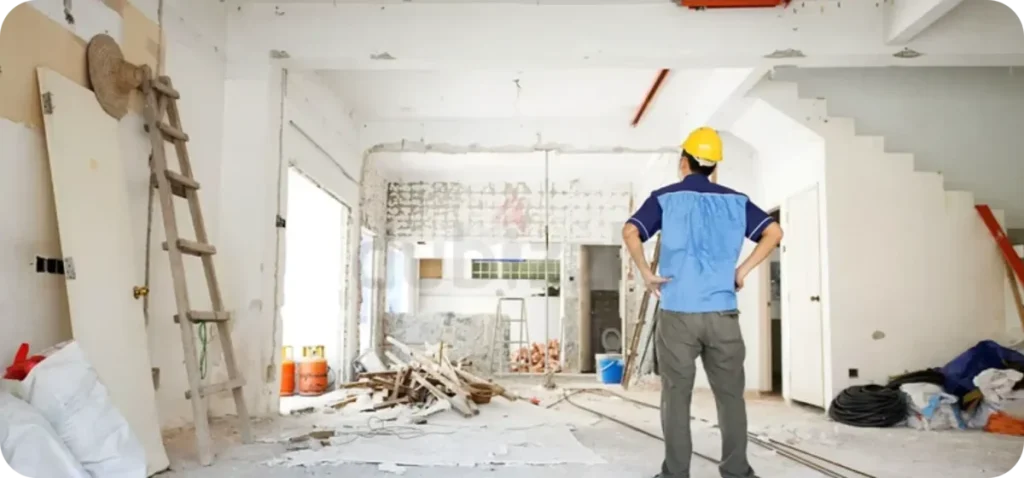
It involves a complete transformation and is often necessary when purchasing an old home or every 15–20 years. Activities: Dismantling old flooring, leveling walls (plastering), replacing plumbing and electrical installations, replacing windows and doors. Objective: Functionality, safety and durability.
Designer (Luxury) renovation
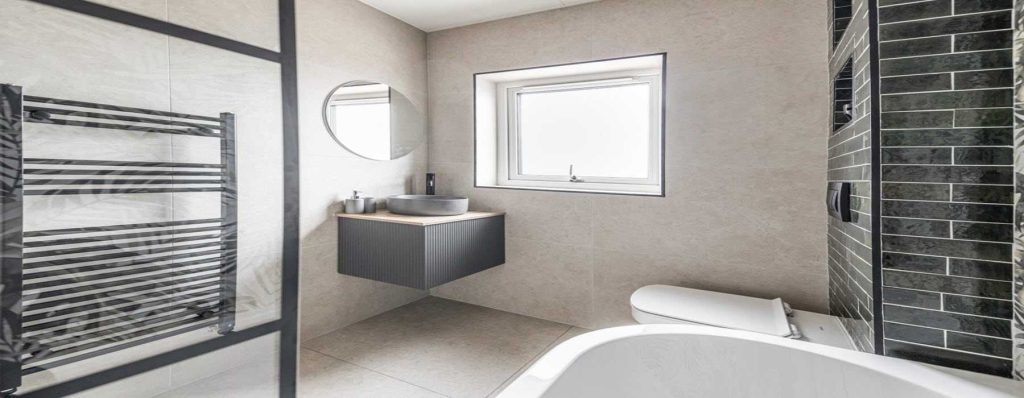
It is carried out according to an individual interior project by an architect or designer. Activities: Use of high-class materials, non-standard lighting, decorative plasters and space reorganization. Goal: Unique style, precision in detail and maximum comfort
Turnkey renovation
This is not a type of activity, but a way of organization in which one company takes on everything – from the project to the final cleaning. If you are planning a budget, you can check the current prices of renovation services on specialized platforms. Is it a specific room or are you interested in a complete renovation of the property?